The Kabat method for spinal cord injury
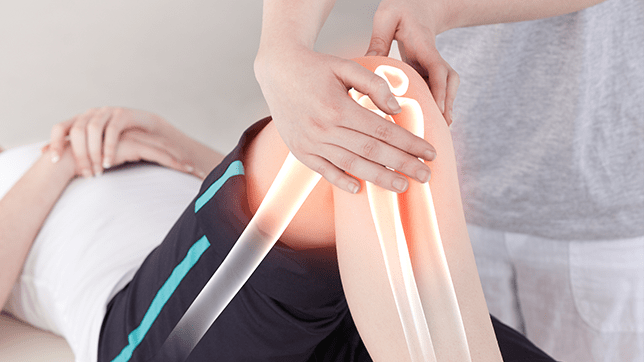
Spinal cord injury affects the sensory organs, causing loss of mobility due to degeneration. However, there are treatments such as the Kabat method that can help improve certain functionalities. The Kabat method is a physiotherapy treatment focused on exploiting sensory and motor abilities. Use diagonal movement patterns and spiral since, in the long term are those that improve the functionality in everyday activities.
The Kabat method is also suitable for other areas such as rheumatology, orthopedics, geriatrics and sports medicine, but in this post we will focus on its application for spinal cord injuries.
The three main objectives of the method in this type of injury are:
- Muscle strengthening: muscle strength is increased through repeated exercises. This will allow long-term recovery of motor response, and therefore, the systematic performance of everyday activities (e.g., dressing).
- Improving balance: in order to recover totally from spinal cord injury, regaining balance is essential.
First, the method uses rhythmic stabilisation exercises to strengthen the stability of simple postures. Then, it moves towards more complex exercises. For example, this treatment will be useful for obtaining one’s driver’s license by ensuring a correct driving posture.

- Control spasticity (muscle contraction): the method allows learning functional exercises to control spasticity and ultimately relax muscles.
The techniques used by the method are:
- Reinforcing and enhancement: it involves movement patterns in two forms: repetitions or contractions.
- Relaxation or stretching: facilitate mobility, for example, with contraction-relaxation exercises.
The type of injury and the result to be achieved will determine the suitable technique. Factors inherent to each patient, such as age or physical and mental state, are also taken into account.